
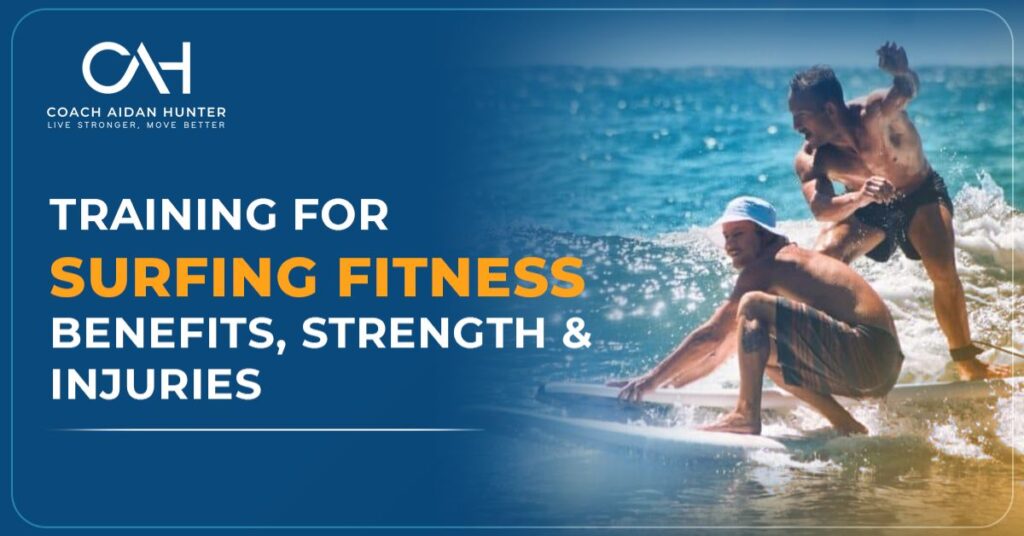
Someone must improve their performance in training for surfing fitness. It requires a specific mix of strength, endurance, balance, and flexibility. Whether you are an early or an experienced surfer, a concentrated fitness routine can help you paddle longer, maintain stability, and reduce the risk of injury. In this article, we’ll explore effective training techniques designed specifically to boost your surfing fitness and keep you riding strong.
What Muscles Does Surfing Work?
Surfing is a full-body exercise that targets several key muscle groups. The core muscles help keep balance and stability on the board. The upper body, especially the shoulders, chest, and back, is used for paddling through the waves.
The legs, including the quadriceps, hamstrings, and calves, provide power for maintaining a stance and making quick moves. Arms and shoulders also receive an intense workout from paddling and quickly popping up on the board.
Overall, surfing creates muscle strength and endurance by engaging the entire body’s dynamics effectively.

The Benefits of Training for Surfing Fitness
Surfing improves heart health, enhances flexibility and balance, and provides relief from mental stress and fatigue. It improves coordination within the surfing community and fosters strong social connections.
Key Benefits Include:
- Enhanced heart health and stamina through consistent paddling
- Improved flexibility, balance, and quick reflexes for better control
- Reduced stress levels and increased mental focus from time spent in the ocean
- Stronger social connections foster support and overall happiness
Surfing Fitness Workout Plan
To prepare your body for the demands of surfing, a focused workout plan that targets strength, balance, and core stability is essential. Here’s a simple yet effective routine designed to boost your surfing fitness:
Warm-up:
Begin with 5-10 minutes of light jogging or jumping rope to elevate your heart rate and warm up your muscles.
Circuit (repeat 3 rounds):
- 15 push-ups to strengthen the upper body and paddling muscles
- 20 squats to build powerful legs for stance and maneuvering
- 30-second plank to engage core stability and balance
- 15 lunges per leg to improve lower body strength and coordination
- 20 Russian twists for rotational core strength, crucial for wave turns
- 1-minute balance on one leg or using a BOSU ball to enhance proprioception and stability

Cool-down:
Finish by stretching all major muscle groups to improve flexibility and aid recovery.
This balanced workout supports the full range of movements required for surfing while reducing the risk of injury. Consistency with this plan will help you paddle stronger, balance better, and surf longer with confidence.
Is Surfing Good Exercise?
Yes, surfing is a great workout that combines cardiovascular endurance, strength, flexibility, and balance. It challenges the body to adapt to changing waves, improving agility and coordination.
Paddling, popping up, and riding waves burn calories and boost overall fitness in ways many workouts can’t. Surfing is a fun, full-body exercise that builds lasting strength and health.

Swim for Surfers: Why It Matters
Swimming plays a crucial role in maintaining overall health and physical stamina. Developing strong swimming skills not only improves water safety but also enhances the efficiency of paddling, allowing surfers to capture more waves with less effort.
Consistent swim training enhances lung capacity and cardiovascular endurance, which are essential for navigating currents and sustaining long surfing sessions.
By integrating swimming into their routine, surfers build confidence in the water, minimize fatigue, and enjoy longer, safer, and more dynamic experiences in the ocean.
Read More: How Long Does Pre-Workout Last?
Common Injuries from Surfing and How to Prevent Them
Surfing is an adrenaline-pumping sport, but it comes with its share of physical risks. Whether you’re catching your first wave or you’re an experienced rider, understanding the most common surfing injuries—and how to prevent them—can make all the difference in your performance and long-term health. Here are some of the most frequent injuries surfers face:
- Shoulder strains due to repetitive paddling.
- Knee and ankle sprains from sudden movements on the board.
- Cuts and bruises from contact with the board or the ocean floor.
- Lower back pain from constant flexion and rotation.

How to Prevent Surfing Injuries
Preventing surfing injuries starts with innovative training and preparation. Focus on building strength in your shoulders, core, and legs, improving flexibility, and maintaining balance. Key components of practical surfing fitness
Warm up before paddling
- Use equipment that matches your skill level.
- Use protective gear, such as wetsuits and earplugs.
- Learn the right technology and give time for improvement.
Following these simple steps can enhance water efficiency and reduce the likelihood of damage.