
Your metabolic type is your body’s unique way of converting food into energy, influenced by genetics, biochemistry, and lifestyle. This approach to nutrition recognizes that there is no one-size-fits-all diet. What fuels one person may cause fatigue or weight gain in another.
By identifying whether you’re a protein, carbohydrate, or mixed type, you can make smarter food choices that support your metabolism, boost energy levels, improve digestion, and help maintain a healthy weight.
What Is a Metabolic Type?
A metabolic type is a way of understanding how your body naturally burns food for fuel. It helps explain why specific diets work for some people but not for others. Each person’s metabolism tends to utilize either carbohydrates, proteins, fats, or a combination of these for energy more efficiently.
Knowing your metabolic type can help you choose foods that stabilize your energy, curb cravings, and support your health goals. Most people fall into one of these three categories:
| Protein Type | Carbohydrate Type | Mixed Type |
| These individuals feel best on meals rich in protein and healthy fats. They tend to become hungry quickly and may feel tired or anxious after consuming excessive amounts of carbohydrates. | Their bodies process carbs more efficiently and thrive on plant-based, high-fiber meals. They usually have steady energy levels after eating grains, fruits, and vegetables. | These individuals require a balanced combination of proteins, fats, and carbohydrates. Their metabolism works well with variety and moderation in each food group. |
Identifying your metabolic type is an effective way to design a customised nutrition plan specifically suited to your specific needs, lifestyle, and goals.

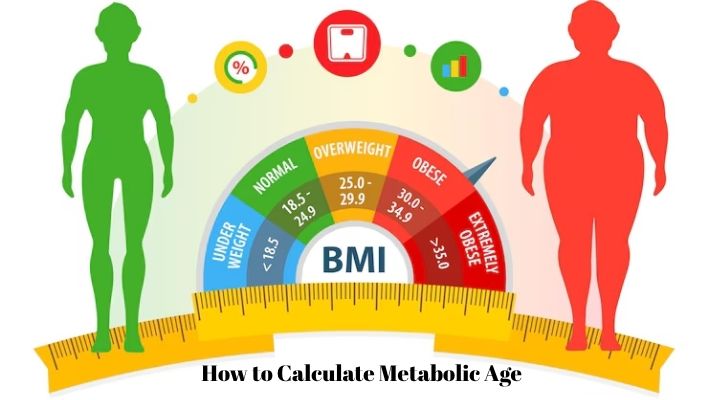
How to Calculate Metabolic Age
Metabolic age reflects how your body’s energy usage compares to the average for your age group. Your basal metabolic rate (BMR) determines the number of calories your body burns at rest.
You can calculate it in two ways:
| Fitness trackers | Professional testing |
| These devices estimate your basal metabolic rate (BMR) using data such as weight, body fat, and muscle mass. | They perform more accurate testing at gyms, health clinics, or wellness centres. |
If your metabolic age is lower than your real age, it means your body is working efficiently. If it’s higher, it may be a sign to improve your diet, increase your activity levels, or modify your lifestyle habits.
Taking a Metabolic Rate Test
A metabolic rate test measures the number of calories your body burns while at rest, known as your resting metabolic rate (RMR). This figure is crucial for understanding your body’s daily energy.
Gyms or medical clinics typically perform the test using devices that track breath and oxygen levels. It is fast, non-invasive and provides individual insights.
Knowing your RMR helps you:
- Set realistic calorie measures
- Choose the right food
- Design a training plan that supports your metabolism
Regardless of your goal to lose weight, build muscle, or maintain balance, this test provides you with data to make informed, more effective choices.

Building a Metabolic Diet Plan That Works
Once someone knows their metabolic type, they can create a metabolic diet plan that supports their body’s natural energy system. For example:
- Protein types benefit from grilled meats, eggs, and avocados.
- Carbohydrate types may thrive on whole grains, fruits, and leafy greens.
- Individuals with mixed types should focus on balanced meals that include all three macronutrients.
Following a plan that aligns with your metabolism can lead to sustained energy, improved focus, and better long-term results.

Exploring the Fat Protein Efficient Diet
Professionals design fat- and protein-efficient diets for individuals who naturally metabolise fats and proteins more efficiently than carbohydrates do. If high-carb diets leave you feeling lethargic or cause weight gain, this approach may be more suitable for you.
It focuses on:
- Fatty fish like salmon
- Nuts and seeds
- Lean meats and eggs
- Low-carb vegetables like spinach and broccoli
This diet helps stabilize energy, reduce cravings, and support weight management, especially for individuals with a protein-based metabolism.
It’s a wise choice for anyone seeking to align their eating habits with their body’s natural functioning.

Can You Change Your Body Type?
While you can’t change your genetic bone structure (like being an ectomorph, mesomorph, or endomorph), you can reshape how your body looks and functions. Through the proper nutrition, exercise, and lifestyle choices, it’s possible to build muscle, reduce fat, and boost energy levels.
Using tools like metabolic typing allows you to tailor your diet and workouts to your body’s natural strengths, helping you achieve results that feel sustainable and personal, not forced.

The Role of Metabolic Type in Achieving a Toned Male Body
For men, seeking a toned, muscular body and understanding their metabolic type is crucial. Eating foods that match how their body uses fats, proteins, and carbs helps burn fat and maintain muscle.
When combined with the proper strength training, this personalized approach makes building a lean, defined physique easier and more sustainable. A well-tailored diet is just as important as exercise for shaping the ideal male body.
Supporting a Male Muscular Body Through Nutrition
A muscular male body requires more than just workouts. It also needs proper nutrition that supports your metabolism. By understanding your metabolic type, you can tailor your intake of protein, fats, and carbohydrates to promote muscle growth, boost recovery, and increase endurance.
Along with staying hydrated and getting the best sleep, this method ensures your body has the right resources to function optimally every day.