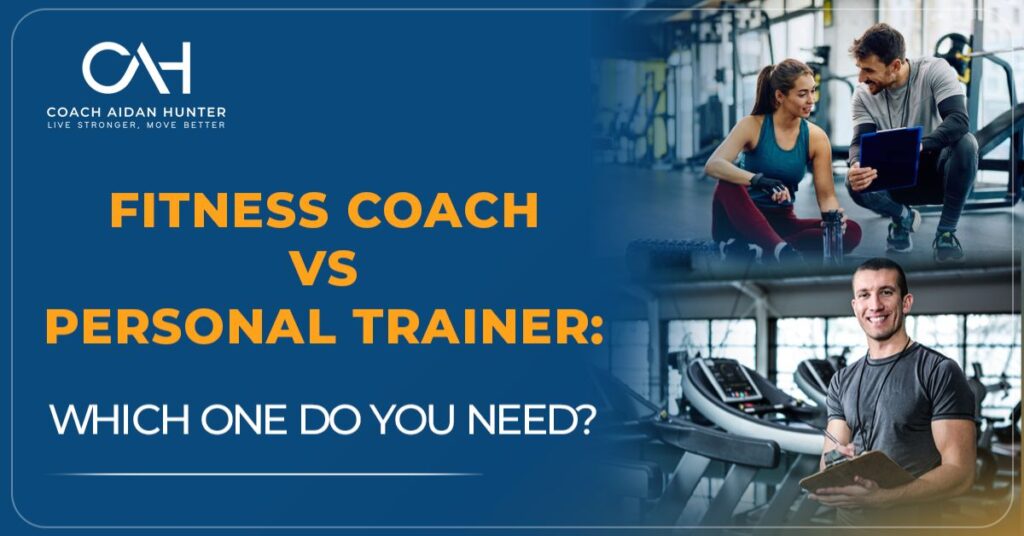
Choosing between a fitness coach vs personal trainer can feel overwhelming, especially when you’re serious about improving your health but unsure who offers the right kind of support. While both experts help with physical transformation, they approach your goals in different ways. Usually, a fitness coach focuses on lifestyle changes, mindset, and habit formation. A personal trainer places more emphasis on how you perform an exercise or movement, as well as your physical performance. If you lack motivation, desire structure, and aim for long-term results, it’s essential to understand the differences.
What Is a Personal Trainer?
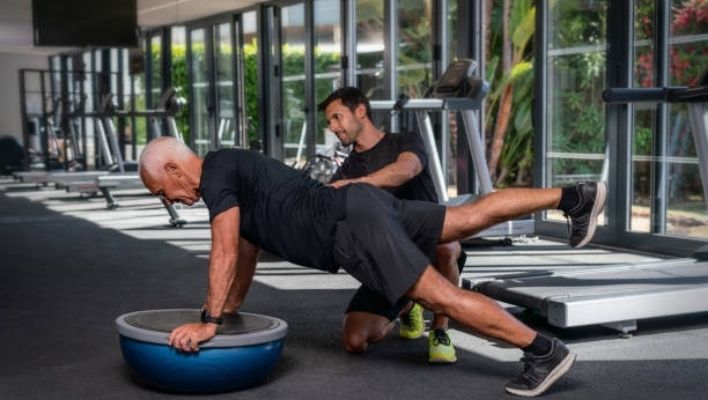
A personal trainer is a trained and certified fitness professional who creates individualized exercise plans and provides personalized instructions to help clients achieve a specific goal, whether it is fat loss, muscle growth, improved endurance, or athletic enhancement.
Key Focus Areas:
- Proper exercise form and technique
- Strength training and conditioning
- One-on-one gym-based workout sessions
- Short- to medium-term fitness goals
- Injury prevention and safe progress tracking
Personal trainers are best suited for individuals who need structured workout plans, real-time feedback, and in-person accountability to stay consistent and train safely.
Whether you’re new to fitness or working toward a performance milestone, a personal trainer provides the step-by-step support to get there effectively.
What Is a Fitness Coach?
A fitness coach, also known as a wellness or health coach, adopts a holistic approach to wellness. Their focus extends beyond the workout—they help clients change habits, improve their mindset, set goals, and establish sustainable routines.
Key Focus Areas:
- Habit formation and behavior change
- Mindset and motivation coaching
- Nutrition guidance (non-clinical)
- Daily lifestyle improvements
- Long-term accountability and support
Fitness coaches often support clients virtually or outside the gym setting, making them ideal for individuals seeking help with overall health transformation, not just exercise.

Differences Between a Fitness Coach and a Personal Trainer
| Difference | Personal Trainer | Fitness Coach |
| Primary Focus | Physical workouts and performance | Lifestyle habits, mindset & overall wellness |
| Session Type | In-gym or live exercise sessions | Coaching calls, check-ins, habit plans |
| Goal Type | Strength, endurance, and fat loss | Consistency, energy, sustainable lifestyle |
| Support Style | Technical and physical | Emotional, behavioral, and strategic |
| Ideal For | People who need gym-based guidance | People who want long-term health changes |
Which Is Better: Fitness Coach or Personal Trainer?
The answer depends on what someone is looking to achieve.
Suppose the aim is to enhance lifting technique to prepare for a specific event or follow a structured gym workout. A personal trainer is a better option, as they can develop workout plans, provide real-time feedback, and offer guidance.
On the other hand, individuals looking to create sustainable lifestyle changes, stay accountable outside of the gym, or build habits that promote long-term health may benefit more from a fitness coach. They provide emotional support and structure that goes beyond physical training.

How to Choose Between a Fitness Coach and a Personal Trainer
The decision to choose a fitness coach or a personal trainer depends upon each person’s goals, schedules, and preferences for support. Before we continue, you’ll want to consider the following:
- Do you need support creating a habit? A fitness coach may be best for you.
- Do you need supervision for your workout? A personal trainer would be more suitable for your needs.
- Do you want some of both? Some professionals act as a hybrid of both roles, offering “in-person” individual service.
Making this choice also involves considering budget, access (online vs in-person), and whether motivation is a challenge.
Fitness Coach vs Personal Trainer for Weight Loss
Both roles contribute to weight loss, but each in its unique way.
A personal trainer enables clients to burn calories through efficient education and ensures workouts are completed correctly. However, weight reduction often requires more than exercise alone. It involves a balanced diet regimen, effective stress management, and maintaining a healthy lifestyle.
Health educators excel by supporting clients in establishing healthy consumption habits, improving their sleep patterns, and modifying daily behaviors that impact weight. Combining both professionals hastens development and supports sustainable, long-term results.

Online Fitness Coaching vs. In-Gym Personal Training
The rise of digital tools has made online fitness coaching more accessible and effective than ever. Online fitness coaching offers flexibility, allowing customers to receive support at any time and from anywhere. Coaches often provide access to check-ins, habit tracking, and pre-written or customized workout plans.
In-gym personal training, meanwhile, offers hands-on instruction and immediate feedback—ideal for individuals who prefer structure and require guidance with proper form.
Both formats have merit, and the best choice depends on a person’s schedule, learning style, and location.
Fitness Coach vs Personal Trainer for Building Quick Daily Habits
If the goal is to establish small, consistent routines—such as daily stretches, hydration reminders, or mindful movement—a fitness coach is often the better fit. Coaches specialize in behavior change, helping clients turn simple actions into lasting habits through structure, accountability, and mindset support.
While a personal trainer excels at creating effective workout plans, their focus is typically limited to gym-based sessions and exercise performance, not daily lifestyle habits.
In short, if you’re looking to establish healthy routines that last, a fitness coach offers holistic guidance to make it happen.