To improve energy and enhance performance in the gym, supplements taken before training are a must for many training enthusiasts. However, a common question people ask is: How long does a pre-workout last? Typically, the effect of pre-training lasts between 1.5 and 3 hours, depending on individual factors such as metabolism, sensitivity to stimulants, and specific ingredients in the formula. This guide walks you through everything you need to know—including timing, benefits, side effects, and even whether it’s worth taking on non-training days.
How Long Do Pre-Workouts Take to Kick In?
Most pre-workouts take 20 to 30 minutes to take effect, depending on your metabolism and the specific ingredients in the formula. Caffeine, a common stimulant in pre-workouts, usually begins working within this window, boosting your energy, focus, and endurance just as your workout starts.
Taking it too early can cause the effects to wear off mid-session, while taking it too late, especially in the evening, might interfere with your sleep. To get the most out of your pre-workout, time it so the peak effect aligns with the most challenging part of your training.

Benefits of Pre-Workout Supplements
Pre-workouts do more than boost energy; they enhance your entire workout. Here’s what sets them apart:
- Sharper Focus and Energy: Caffeine not only boosts energy but also enhances reaction time and mental clarity, leading to improved training performance.
- Reduced Muscle Fatigue: Beta-alanine delays lactic acid buildup, helping you train longer and break through plateaus.
- Better Nutrient Delivery: Nitric oxide boosters, such as L-citrulline, enhance blood flow, delivering oxygen and nutrients more efficiently for quicker recovery and muscle growth.
- Increased Motivation: Pre-workouts raise dopamine levels, lowering perceived effort and making challenging workouts feel easier.
These benefits help you train harder, longer, and smarter.
Why Is My Pre-Workout Causing Diarrhea?
Diarrhea after taking pre-workout is usually caused by ingredients like magnesium, artificial sweeteners, or high caffeine levels, which can upset sensitive stomachs.
To reduce this, try a smaller dose, stay hydrated, and choose formulas without artificial sweeteners. If the problem persists, consider switching to your product or consulting a healthcare provider.
Understanding these triggers helps you avoid digestive problems by maximizing the benefits of your exercise routine.

Possible side effects of supplements before exercise
Although advanced work can enhance performance, it may cause side effects in specific individuals, particularly when misused.
- Jitters and Anxiety: High caffeine content can trigger nervousness or restlessness, particularly in those sensitive to stimulants.
- Digestive Discomfort: Certain ingredients, such as magnesium or artificial sweeteners, can sometimes cause bloating, cramps, or diarrhoea.
- Elevated Heart Rate and Blood Pressure: Stimulants may increase cardiovascular activity, posing risks for people with heart conditions or hypertension.
- Sleep Disruptions: Taking pre-workout supplements late in the day can interfere with your sleep cycle due to the lingering effects of stimulants.
To reduce these risks, start with a low dose to assess tolerance, avoid taking it too late in the day, and stay well-hydrated throughout your workout.
Read More: Is Online Fitness Coaching Worth It?
How Does Non-Stimulant Pre-Workout Work?
Non-stimulant pre-workouts enhance performance without relying on caffeine or other stimulants. Instead, they use ingredients like creatine, BCAAs, beta-alanine, or nitric oxide boosters to support endurance, strength, and muscle recovery.
These formulas are ideal for evening workouts or for those sensitive to caffeine. They can even be helpful on rest days if your goal is muscle repair or sustained nutrient support without the jittery side effects.
By choosing a non-stimulant option, you avoid energy crashes while still gaining the workout benefits.

Will Pre-Workout Keep Me Awake?
Yes, pre-workouts can keep you awake, especially if taken too close to bedtime. Most contain caffeine, which can disrupt your sleep by staying active in your system for several hours.
If you train in the evening, consider a low-stimulant or caffeine-free pre-workout to avoid restlessness and support better sleep quality.
Can You Mix Pre-Workout the Night Before?
While it may seem convenient, mixing your pre-workout the night before is not recommended. Key ingredients—especially stimulants and nitric oxide boosters—can break down or lose potency when left in liquid for too long.
To get the full benefit, always mix your pre-workout fresh right before consumption. It ensures maximum effectiveness, better taste, and the performance boost you’re aiming for during your workout.

Is pre-workout Good for Running?
Yes, pre-workout supplements can help you take walks, especially once they contain components such as caffeine and beta-alanine. Caffeine enhances interest and stamina, while beta-alanine facilitates delayed fatigue, making it ideal for sprints or short-distance runs.
However, if you’re doing long-distance or staying power walking, choose a system with decreased stimulant ranges to avoid mid-run strength crashes or dehydration. For choicest effects, constantly check your tolerance and timing before race day.
How Many Calories Are in Pre-Workout?
Most supplements taken before exercising contain between 0 and 30 calories per serving, making them a low-calorie option for energy and performance.
The actual number depends on the logo and system, primarily in addition to added sugar, carbohydrates, or taste enhancers.
If you rely on energy or track macros, check the nutrition label to stay on the right track in line with your educational goals.
Can Pre-Workout Help You Lose Weight?
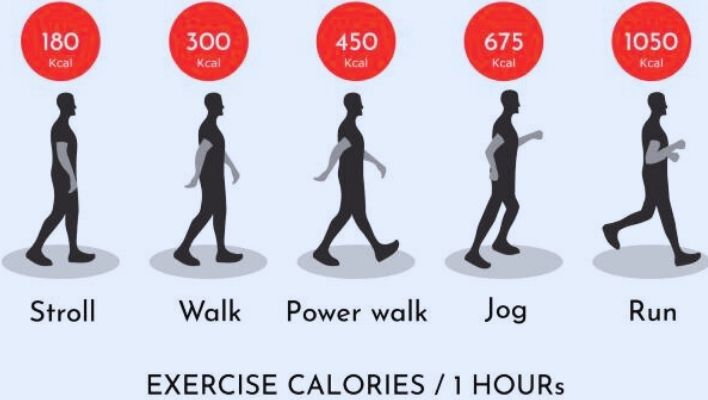
Pre-workout supplements can indirectly support weight loss by increasing energy, focus, and workout performance. It can lead to more intense training sessions and higher calorie burn.
Some formulas also include thermogenic ingredients that may slightly boost metabolism during exercise.
Although supplements for exercise are not a direct fat burner, they can be a valuable addition to your routine, alongside a consistent exercise regimen and nutritious eating habits.
Does Pump Pre-Workout Work?
Yes, pump pre-workouts work by enhancing blood flow, vascularity, and muscle fullness during your workout.
Primary materials, such as L-citrin and nitric oxide amplifiers, help provide more oxygen and nutrients to muscles, which can significantly increase endurance, strength, and overall performance during strength training or bodybuilding sessions.
If you’re looking to boost muscle pumps and performance, a pump pre-workout can be a solid addition to your routine.

Is It Safe to Take a Pre-Workout Supplement Without Working Out?
Taking a supplement before training without exercise is usually not recommended. These supplements are designed to increase physical performance.
Without physical activity, however, they can cause people with particularly high caffeine content, shock, restlessness or fast heart rate.
If you’re not planning to work out, it’s best to skip pre-workout to avoid unnecessary stimulant intake and potential side effects.