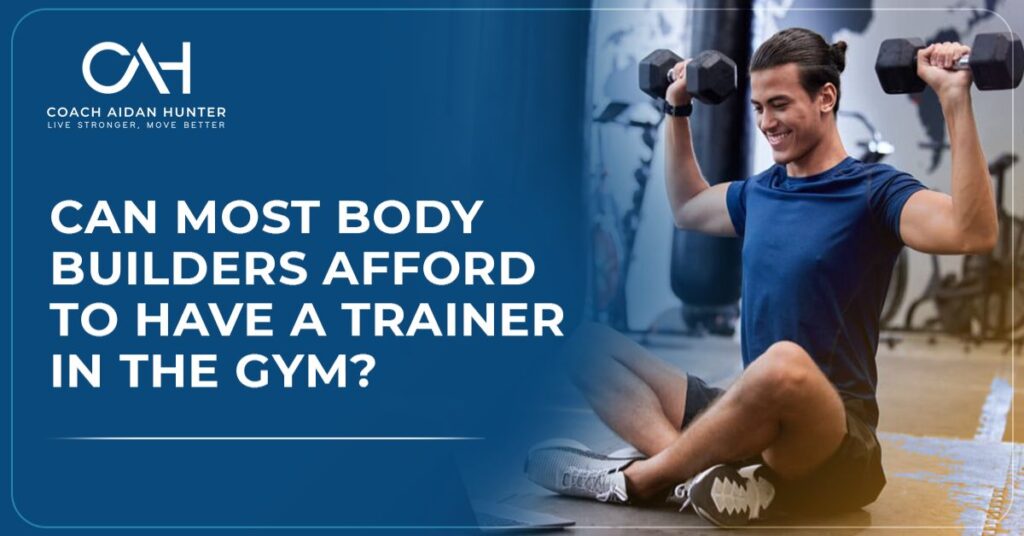
Many aspiring bodybuilders hit a plateau or risk injury due to incorrect form and a lack of guidance. So, the question arises, can most bodybuilders afford to have a trainer in the gym to address these issues? When it comes to reaching peak performance, many bodybuilders choose to work with a personal trainer in the gym and for good reason. Whether they’re just starting or have years of experience under their belt, having a trainer provides structure, accountability, and expert guidance that can make all the difference.
Why Bodybuilders Choose to Work With a Trainer
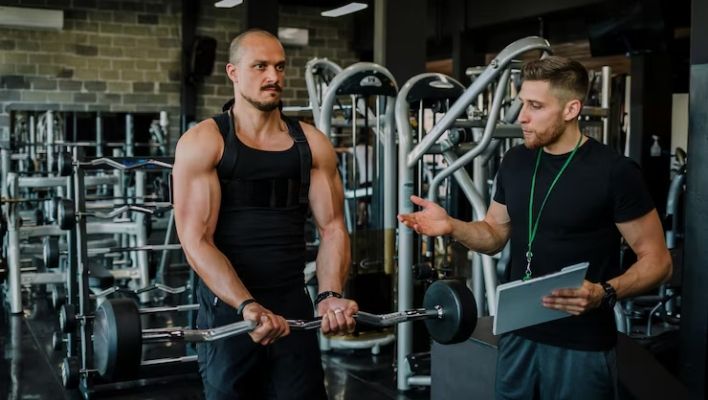
Building muscle safely and effectively takes more than just lifting heavy weights. It requires an innovative, structured approach. That’s where a bodybuilding personal trainer comes in. For most bodybuilders, having a trainer means having a clear plan tailored to their goals, body type, and experience level.
Trainers correct form to prevent injuries, design workouts that avoid plateaus, and adjust programs as progress is made. They also offer accountability, which helps bodybuilders stay consistent, even on tough days.
Beyond workouts, many trainers provide assistance with nutrition, recovery strategies, and mental focus, making them a comprehensive support system. In short, a trainer takes the guesswork out of training and helps bodybuilders reach their goals faster, more safely, and with greater confidence.
How Much Does a Bodybuilding Coach Cost?
These days, many experienced bodybuilders have gone into coaching roles, helping others achieve gym and beyond training goals. The cost of hiring a bodybuilding coach is significantly different from that of local coaches, who often lead the first group of international coaches working with elite athletes.
Generally, the training fee depends on the educator’s experience, popularity, and level of guidance. Worldwide, expenses can vary from a hundred to numerous thousand dollars. For instance, a one-time consultation or primary schooling plan may cost around $500–$1,000.
More premium packages, including custom exercises, nutrition plans, and ongoing support, can range from $ 3,000 to $10,000 or more. While it is an investment, many find the expert steering nicely worth the fee.
Read More: Is Online Fitness Coaching Worth It?
Is Bodybuilding Unhealthy?
Bodybuilding isn’t always inherently unhealthy. Everything depends on how it is practiced. With a balanced routine, proper nutrition, and professional guidance, it can enhance both physical and mental well-being. However, severe techniques can do more harm than good, which is why a considerate, guided approach is essential.
Key Points:
- Encourages power, discipline, and self-assurance
- Risks include steroid use, crash diets, and overtraining
- Safe practices like recovery and clean nutrition are essential
- A good coach helps you avoid mistakes and train the right way
- When done correctly, bodybuilding supports overall wellness

Training Naturally: Bodybuilding Without Steroids
Many bodybuilders today opt to train without steroids, prioritizing natural strength, clean nutrition, and consistent effort. This method may take more time, but it supports long-term health and avoids the serious risks linked to performance-enhancing drugs.
Natural bodybuilding protects your joints, supports hormone balance, and promotes overall well-being. A good coach can create a personalized natural bodybuilding workout plan that helps you build muscle safely while keeping recovery, diet, and mindset in check.
Training naturally isn’t just a safer choice. It’s a more innovative way to build lasting strength and a healthy physique.
What Is Gear in Bodybuilding?
In bodybuilding circles, the term “gear” is commonly used to describe anabolic steroids or performance-enhancing drugs (PEDs). These substances are widely used to accelerate muscle development, reduce recovery periods, and enhance athletic performance.
While some competitive bodybuilders use gear to achieve extreme results, it comes with serious health risks, ranging from liver damage and hormonal imbalance to long-term cardiovascular issues. That’s why many athletes today are moving toward natural training methods.
A knowledgeable coach plays an important role here. They help clients understand the risks, explore safer alternatives, and build effective plans that support clean and healthy progress, without relying on shortcuts.
Choosing to stay natural isn’t just a personal decision. It’s a commitment to long-term health and sustainable results.
Building Muscle Safely and Effectively
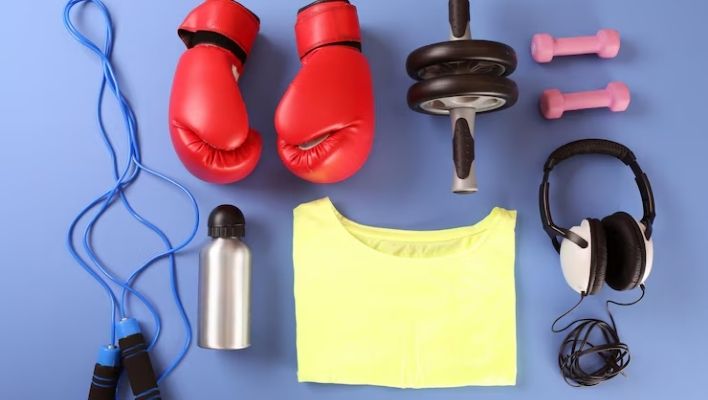
Building muscle isn’t just about lifting heavy; it’s about training smart. A knowledgeable muscle builder knows that real results come from proper form, balanced routines, and enough rest.
A personal trainer can customize workouts to suit your specific bodybuilding physique type, whether it’s classic, aesthetic, or wellness.
It helps you build muscle safely and efficiently, tailored to your body shape, fitness level, and goals. With expert support, you avoid injury, train smarter, and see better long-term results.
Train smart. Grow strong.
Understanding Bodybuilding Physique Types
Everybody is different, and understanding your physique type is key to building muscle effectively. The three common body types are:
- Ectomorph – Naturally lean, struggles to gain weight or muscle.
- Mesomorph – Naturally muscular and athletic, gains muscle easily.
- Endomorph – Stores fat more easily, gains weight quickly, but can also build strong muscle.
A qualified trainer uses this information to create a custom workout and nutrition plan that matches your body’s needs. It means more innovative training, better results, and fewer setbacks. Knowing your type helps you train right, not just hard.
Rising Trends: Wellness and Teen Competitions
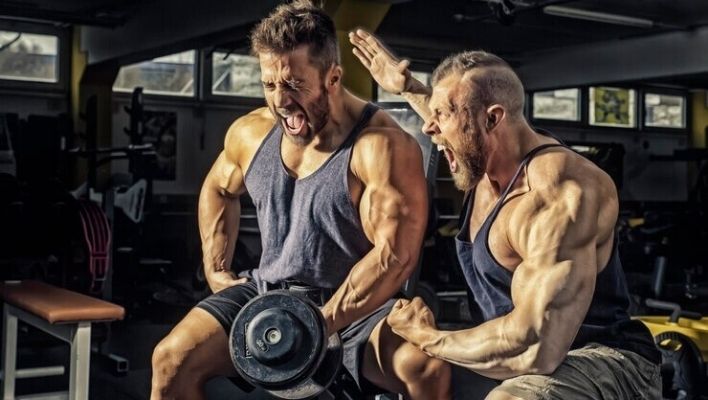
Bodybuilding is shifting from a focus on muscle mass to a more balanced, health-focused approach.
Wellness competitions
They are growing in popularity, emphasizing overall fitness, muscle tone, and aesthetic balance, perfect for those seeking a healthy, feminine appearance rather than extreme bulk.
Teen bodybuilding competitions
They are also on the rise. With proper coaching, young athletes follow safe, age-appropriate training that builds strength, confidence, and discipline from an early age.
Why It Matters:
- The wellness category promotes long-term health and a balanced physique
- Teen training supports safe development and healthy habits
- Coaches provide guidance that prevents injury and encourages smart progress
These emerging trends highlight a more inclusive and wellness-driven future for bodybuilding.
Read More: Training for Surfing Fitness
How Long Do Bodybuilders Work Out?
On average, bodybuilding workouts last 60 to 90 minutes, generally five to six days a week. But it’s no longer just about time it’s about shape.
A skilled trainer ensures that each session is purposeful, combining weight training, aerobic exercises, mobility work, and relaxation periods. They also adjust workout intensity based on individual needs, recovery needs, and training stages (such as bulking or cutting).
Key Points:
- Most workouts last between 1 to 1.5 hours
- Frequency: 5–6 sessions per week, depending on goals
- Innovative programming includes rest days and recovery periods
- Trainers help maximize results with structured, progressive routines
Time spent in the gym matters, but how you spend it matters even more.
Is 3000 Calories Enough to Bulk?
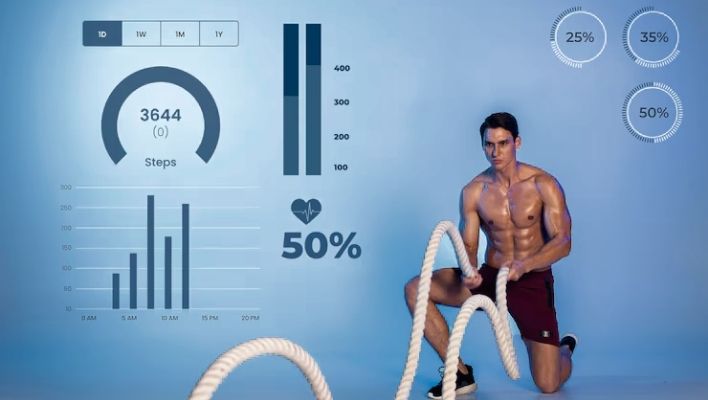
It depends on your body and your goals. For some individuals, 3000 calories per day is sufficient to support muscle development. For others, especially those with a high metabolism or an extremely active lifestyle, it may fall less. Factors such as body weight, age, exercise intensity, and general activity levels affect your ideal caloric intake.
Personal nutrition is essential for building muscle effectively without gaining unnecessary fat. A trainer can guide you in determining your exact requirements and adjusting your plan as you proceed.
Key Takeaways:
- 3,000 calories can be enough, but it depends on the individual
- Your needs vary based on metabolism, body type, and training style
- Smart bulking focuses on lean muscle, not just calorie surplus
- A coach can tailor your diet for steady, healthy gains
Bulking isn’t just about eating more. It’s about eating right for your body.