

Pain in the upper thigh can range from a dull ache to sharp, shooting discomfort, often disrupting daily activities such as walking, sitting, or climbing stairs. It may stem from muscle strain, nerve compression (such as sciatica), or underlying conditions like arthritis or blood clots. Identifying the cause is crucial for choosing the proper treatment. Whether the pain is sudden or builds gradually over time, understanding the symptoms and triggers can help guide effective relief and prevent further injury.
Common Causes of Upper Thigh Pain
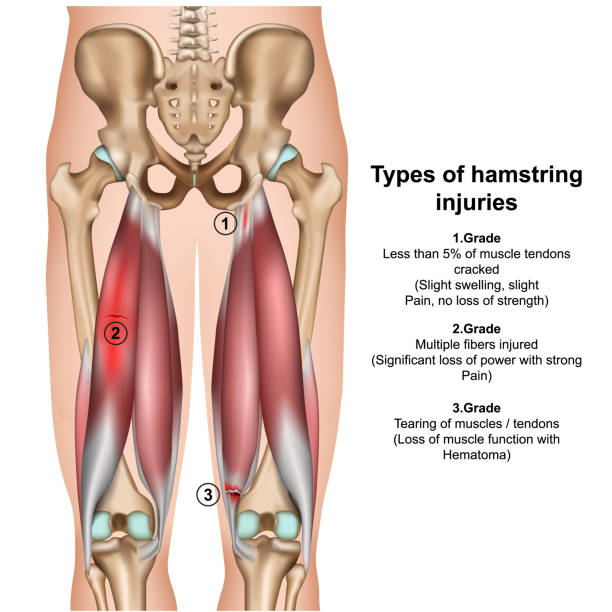
1. Pulled Hamstring
A pulled hamstring is a common injury, particularly among individuals who engage in physical activity without first warming up. It creates acute or tight posterior thigh pain and may make walking or bending the leg very painful. Recovery from a pulled hamstring typically ranges from one to six weeks, depending on the intensity of the injury. Rest, ice, and light stretching can help expedite recovery.
2. Sciatica
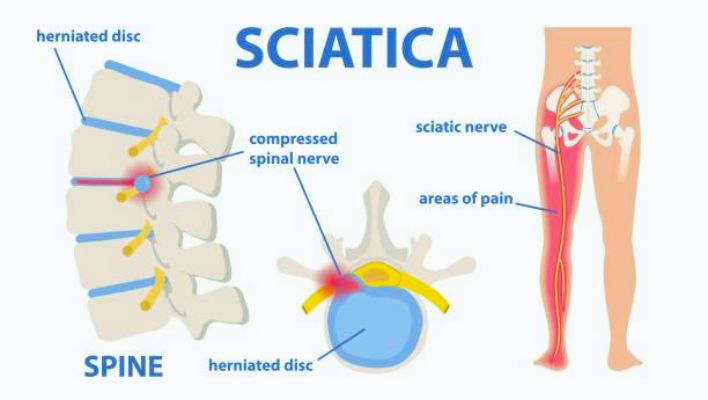
It occurs when the sciatic nerve is compressed or inflamed by a herniated disc or another issue with the spine. Sciatica can cause radiating pain that begins in the lower back and travels through the hip and down the leg.
Could sciatica cause hip pain?
Yes, sciatica can cause pain in the hip, especially when the sciatic nerve is inflamed or compressed in the lower spine. Sciatica pain originally comes from the lower spine and radiates from the lower back through the hip. It may also feel like a burning sensation, tingling, numbness, or a sharp shooting pain.
The sciatic nerve runs from the lower back, passes through the hip, and travels down each leg. Applying pressure or irritation to the nerve can cause pain that originates in the hip and radiates down the leg.
Can sciatica cause leg swelling?
Leg swelling is not a typical symptom of sciatica, but it can occur in sporadic cases, particularly when there is excessive tissue inflammation or prolonged nerve compression.
Most of the time, continuous or extreme swelling in the legs is a symptom of another underlying problem, such as deep vein thrombosis (DVT), poor circulation, or other lymphatic concerns. If you experience leg swelling along with sciatica-like pain, it’s recommended that you consult a doctor to rule out any serious underlying issues.
Other Related Symptoms to Watch
Burning Feeling on the Hip
A burning sensation on the hip is often a sign of nerve irritation or localized inflammation. It commonly occurs with conditions such as sciatica or a pinched nerve and may worsen during movement, walking, or prolonged periods of sitting.
My Leg Hurts When I Cough
If your leg hurts when you cough or sneeze, it may signal nerve compression in the lower spine, often affecting the sciatic nerve. This pressure can cause pain to radiate into the thigh or lower leg, particularly if the issue involves a disc or joint on the right side.
Upper Leg Hurts After Running
Pain in the upper leg following a run is typically related to overuse, muscle fatigue, or a mild hamstring strain. Skipping warm-ups or cool-downs increases your risk of injury. Incorporating proper stretching, rest, and hydration can help prevent these common post-run issues.
Read More: What Is Your Metabolic Type? Find Out & Eat Smarter
Could It Be a Blood Clot?
Yes, inner thigh pain can sometimes indicate a serious condition known as deep vein thrombosis (DVT), which requires immediate medical attention. DVT occurs when there is a blood clot in a deep vein, typically in the leg. Symptoms of DVT range from localized swelling, warmth, redness, and tenderness in the area of the thrombosed vein.
You suspect a blood clot in your leg. In that case, especially if pain is persistent and associated with swelling, you should pursue emergency care as soon as possible because DVT can very quickly lead to a pulmonary embolism.

How to Relieve Upper Thigh Pain Fast
One common cause of upper leg pain is sciatica, a condition that often recurs and can be triggered by nerve compression in the lower back. The most effective physical treatment for upper leg pain is to ice the lower back and upper glutes (not just the upper leg).
Icing provides relief faster because it targets the underlying source, rather than just the area of pain, and addresses the root of inflammation. Pain may spread down the leg as a result.
Where to ice for sciatica?
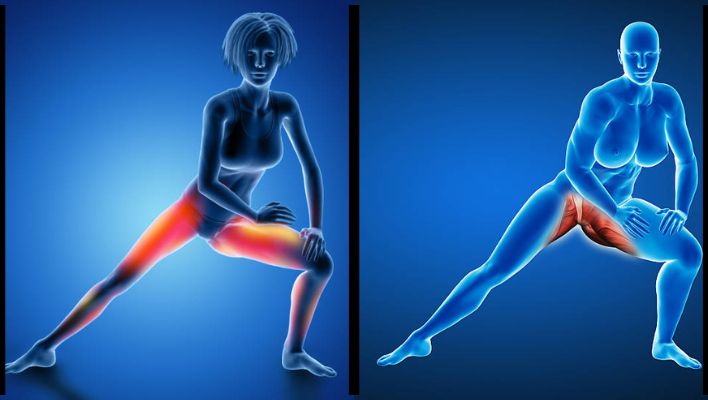
Apply ice to the lower back. Good locations include around the lumbar spine, the top of the buttocks, and over the spinal segments C2-C5, where the sciatic nerve originates or branches off. Ice is beneficial to this area because it reduces nerve inflammation at the source of the injury and provides pain relief that can be referred down to the upper leg. Ice should not be applied to the upper leg unless it is an isolated muscle strain.
Quick Tips for Effective Icing:
1. Use a cold pack wrapped in a cloth (never place ice directly against the skin).
2. Apply icing for 15-20 minutes every 2-3 hours during flare-ups.
3. Combine icing with light stretches or gentle walking pain should factor into circulation.
4. If pain does not stop or gets worse, make sure to consult with a qualified medical professional to evaluate your condition correctly.
By addressing the underlying issues, especially those related to nerve conditions such as sciatica, lasting or durable upper leg pain can be alleviated.
How to Get Rid of Leg Pain Immediately
While long-term healing takes time but we share with you some quick relief tips:
- Apply ice or heat therapy depending on the injury type
- Perform gentle stretches to loosen tight muscles
- Use over-the-counter pain relievers if needed
- Rest and avoid aggravating movements
If pain persists or worsens, a medical evaluation is strongly recommended to prevent complications.
When to See a Doctor
Consult a healthcare professional if you have upper thigh or leg pain:
- Persists for more than a few days without improvement
- Is accompanied by numbness, tingling, or muscle weakness
- Includes visible swelling, redness, or warmth that may indicate a possible infection or inflammation
- Corresponds with possible blood clot symptoms (e.g., sudden pain, tightness in the leg, color change)
Timely identification can help avoid severe complications and ensure appropriate treatment. Do not dismiss symptoms that cause interference with your daily movement or worsening.